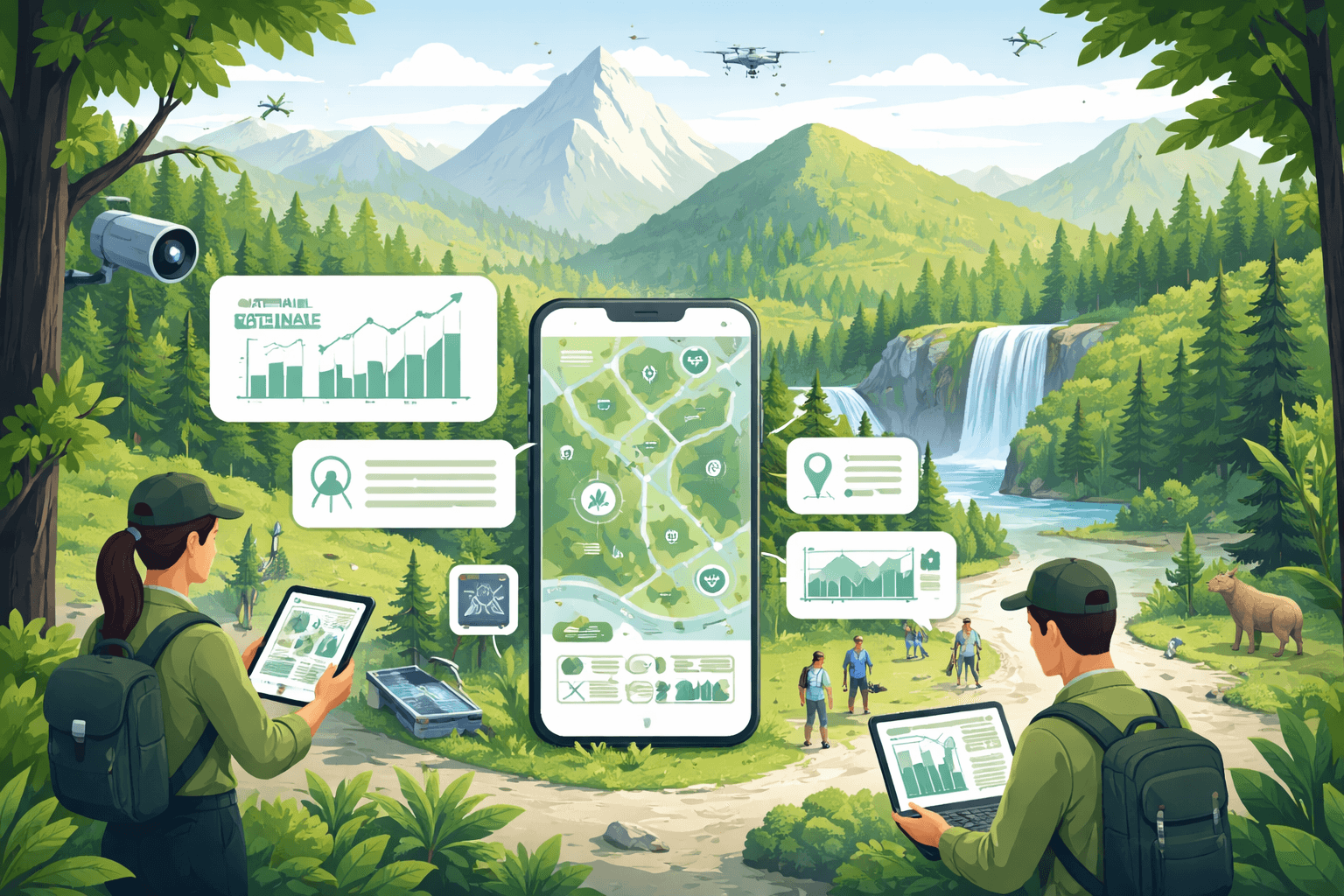
National Park Overcrowding Solutions: How to Protect Nature While Managing Visitor Demand
Timed entry, shuttles, reservations, and infrastructure upgrades can cut congestion and protect wildlife—backed by NPS, IUCN, and park pilot data.
Protecting ecosystems, biodiversity, and natural resources for future generations.
31 articles
Timed entry, shuttles, reservations, and infrastructure upgrades can cut congestion and protect wildlife—backed by NPS, IUCN, and park pilot data.
Rivers and species can rebound fast—China’s Yangtze fish biomass has doubled in five years and Pyrenees bears are up 11% annually—but climate is moving faster. From record‑early UK springs to drought‑hit wetlands, conservation must shift from protection to redesign: restore watersheds, reform water governance, and build living shorelines that bend with rising seas.
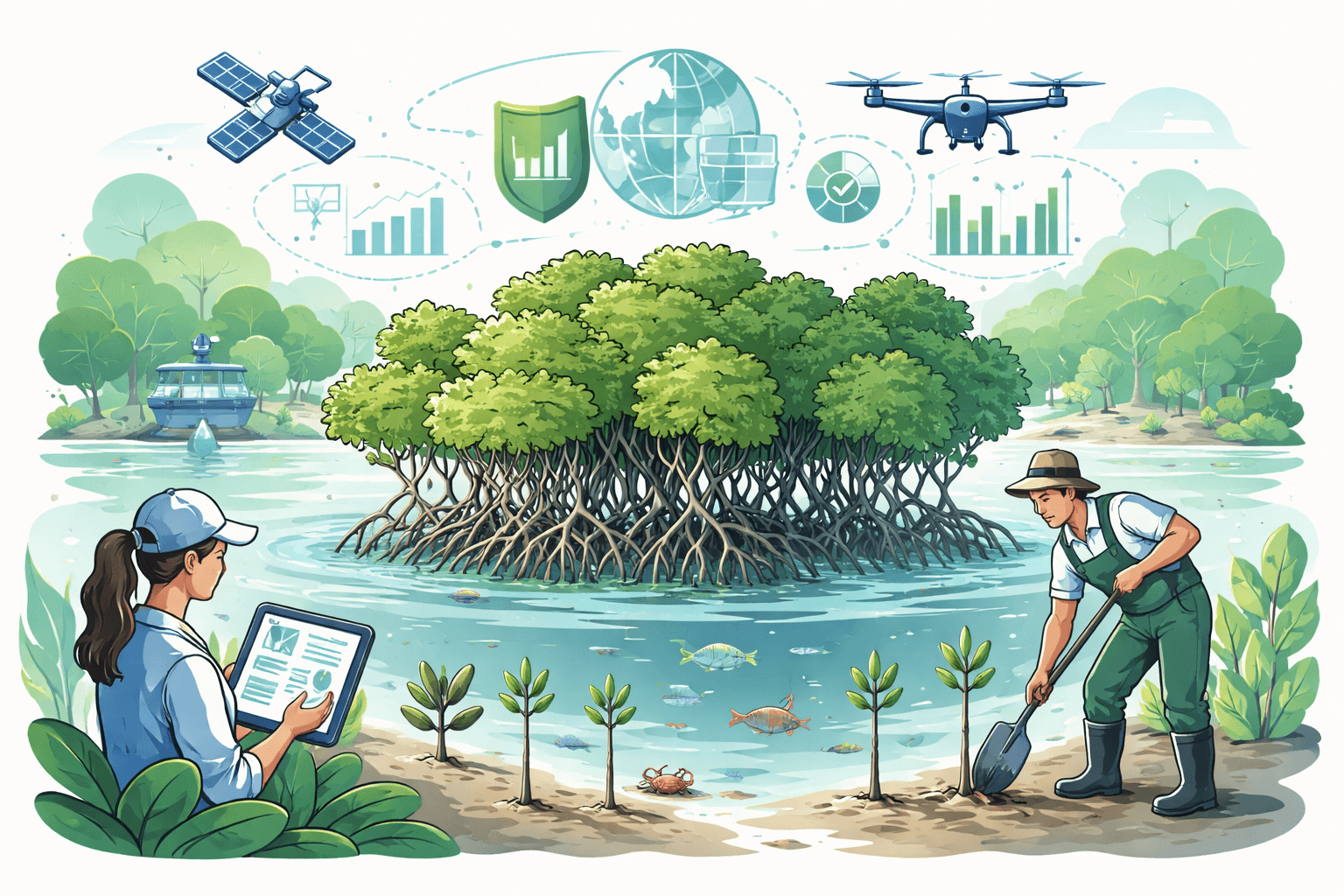
Mangroves cut flood damages by $65B/year, store ~1,000 tC/ha, and rebuild fisheries. Here’s how restoration delivers for coasts, climate, biodiversity, and people.
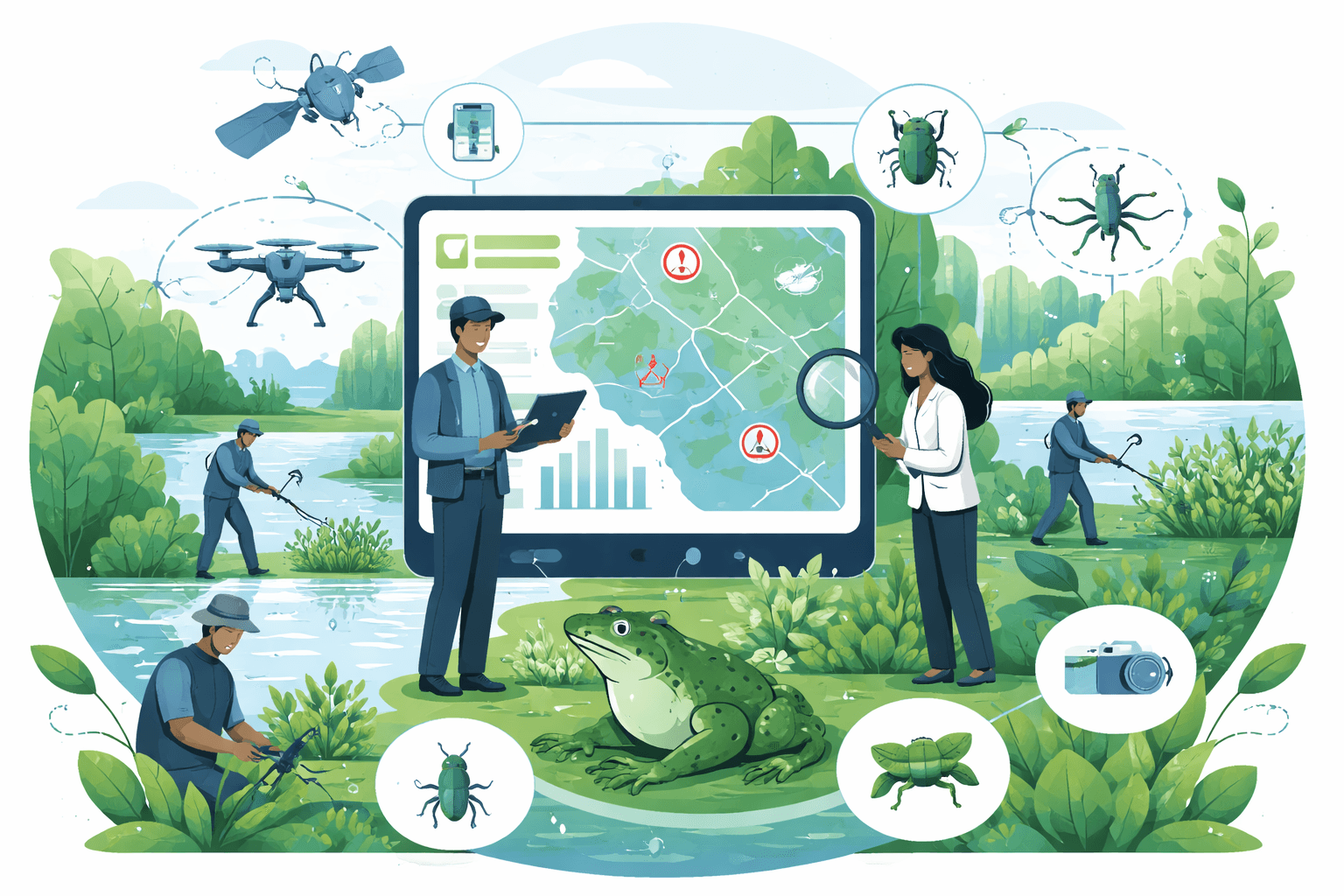
Global costs of invasive species exceed $423B/year. This guide covers prevention, early detection, control methods, prioritization, and long-term recovery.
Geopolitical shocks are exposing how fossil dependence magnifies price risk—and why true energy security now hinges on faster builds of renewables, storage, grids, and efficiency.
Data-rich analysis of freshwater conservation challenges—drivers, impacts, and solutions—with actionable strategies on efficiency, reuse, and watershed protection.
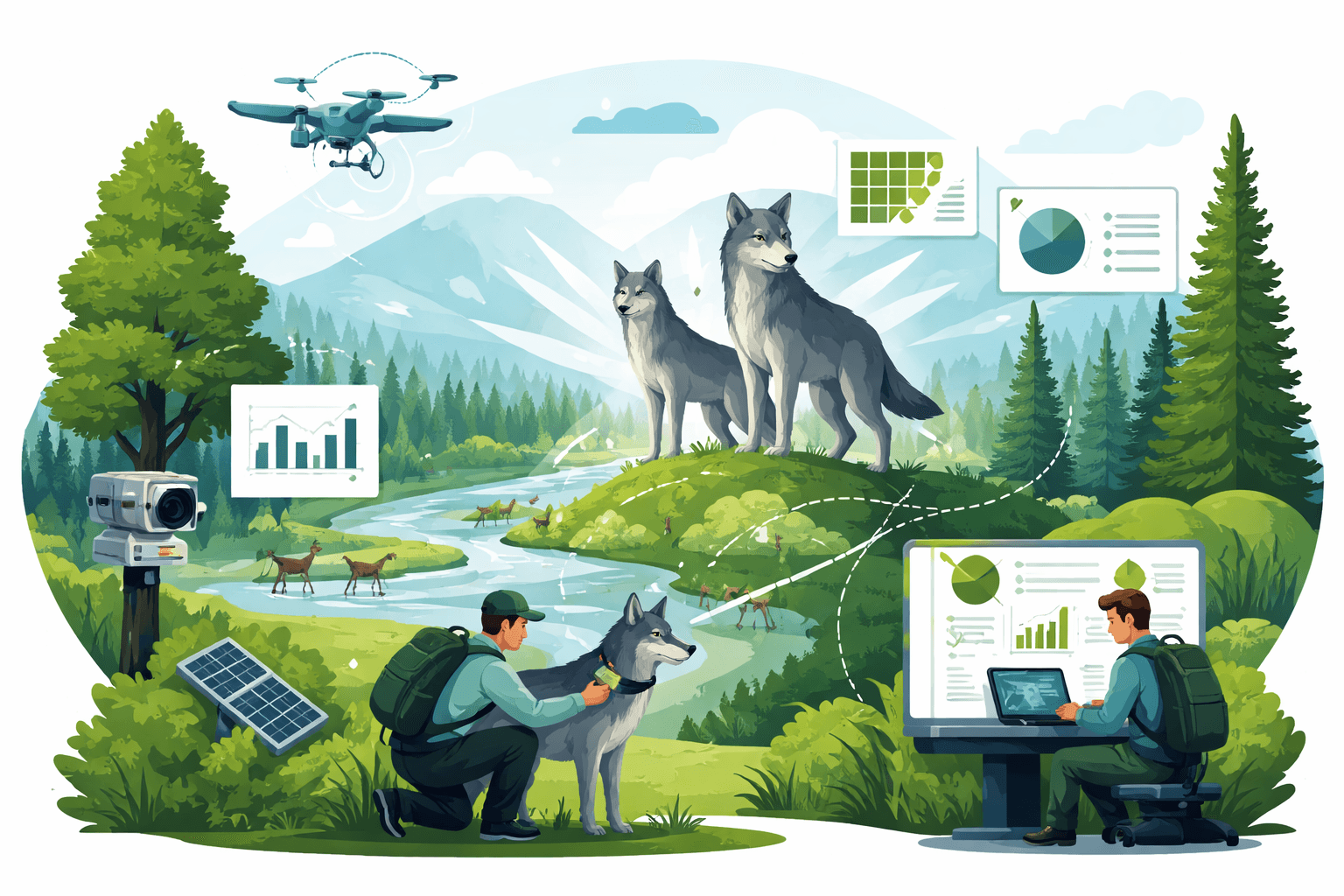
What 30 years of data say about wolf reintroduction: real ecological benefits, measurable tradeoffs, and the conditions that make trophic cascades likely.
A data‑rich guide to conservation—definitions, science, tools, tech, metrics, and actions—why it matters for biodiversity, climate resilience, and communities.
A data‑rich guide to soil health and regenerative agriculture—principles, benefits, tradeoffs, and step‑by‑step monitoring to rebuild organic matter and resilience.
A data-rich guide to coral reef restoration methods—what works, how to choose sites, costs and risks, and how science and communities are scaling recovery.
Ocean plastic flows can drop ~80% by 2040 with upstream cuts, better collection, EPR, and targeted river interception—far more effective than ocean cleanups.
Endangered species recovery programs pair habitat, legal protection, captive breeding, and monitoring to reverse declines—backed by data and real-world wins.