
Green Building Certification Guide: What It Means, How It Works, and Which Standard Fits Your Project
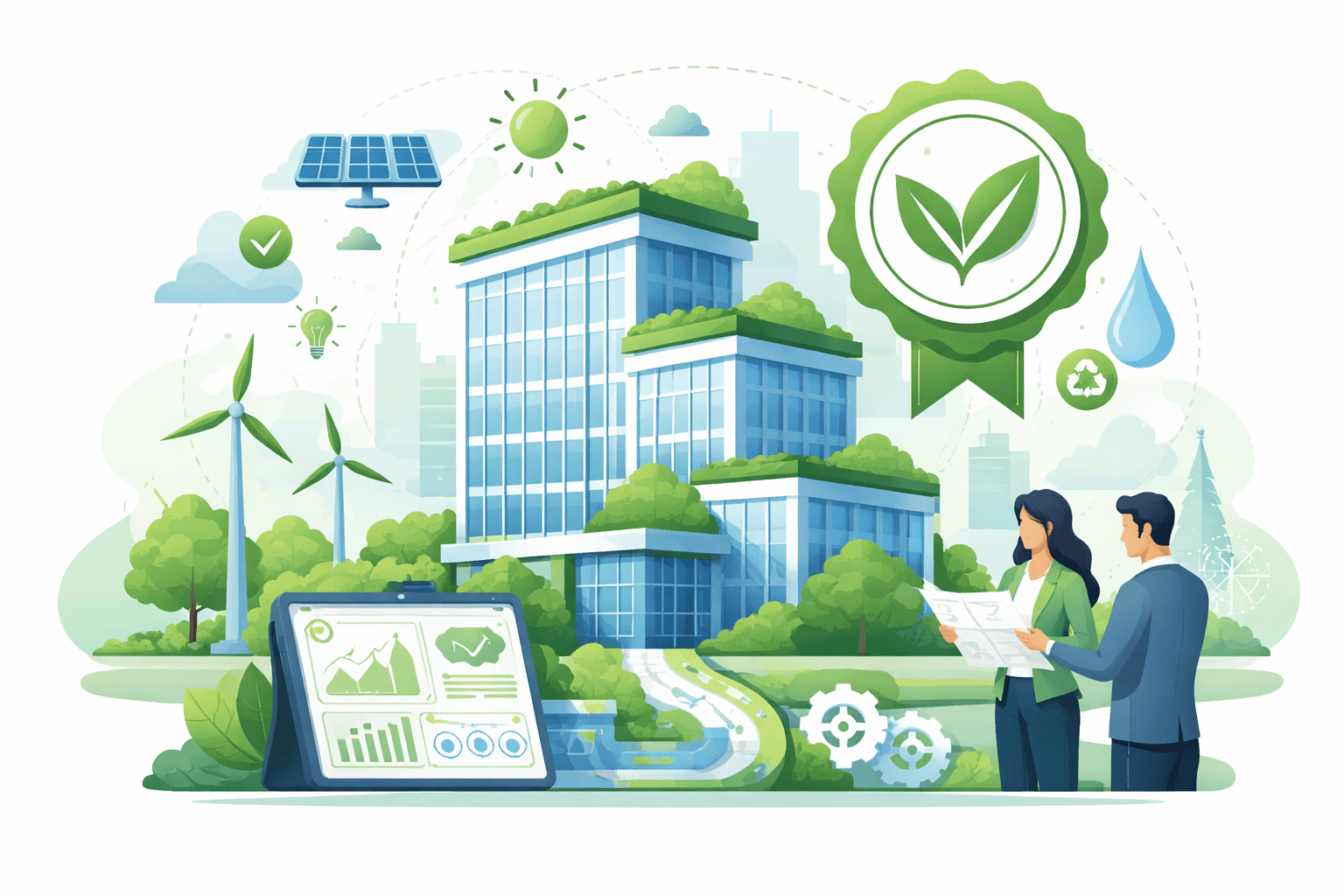
Buildings accounted for an estimated 37% of global energy- and process-related CO2 emissions in 2022, with energy demand from building operations rising about 1% year over year (IEA/GlobalABC 2023). A green building certification is one of the most effective ways project teams can lock in lower energy and water use, healthier indoor environments, and verifiable, market-recognized environmental performance. This green building certification guide explains what certification is, compares leading systems (LEED, BREEAM, WELL, Green Globes, and ENERGY STAR), outlines what they measure, and shows how to choose the right pathway for your new build or retrofit.
What is green building certification and why it matters
A green building certification is an independent, third‑party validation that a building’s design, construction, and/or operation meets defined sustainability and performance criteria. Most programs evaluate multiple impact categories: site, energy, water, materials, indoor environmental quality (IEQ), and waste. Some focus on health (WELL), others on energy (ENERGY STAR), while comprehensive frameworks (LEED, BREEAM, Green Globes) cover the full spectrum.
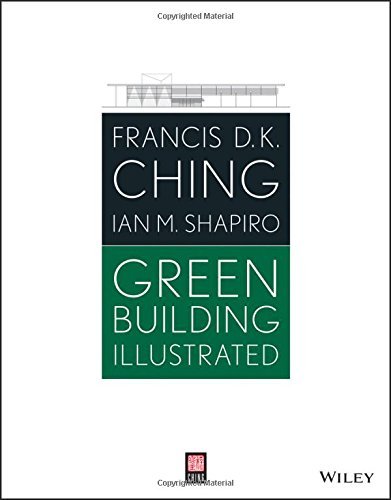
Green Building Illustrated: Ching, Francis D. K.
In the tradition of the classic Building Construction Illustrated, Francis D.K. Ching and Ian M. Shapiro offer <strong>a graphical presentation to the theory, practices, and complexities of sustainabl
Check Price on AmazonWhy it matters now:
- Climate impact: Buildings are a top decarbonization lever; electrification, efficiency, and low‑carbon materials can materially cut lifecycle emissions (IEA; GlobalABC 2023).
- Health and productivity: Controlled studies show cognitive performance scores 61% higher in “green” office conditions and 101% higher with enhanced ventilation compared to conventional buildings (COGfx studies, Harvard T.H. Chan School of Public Health, 2015–2016).
- Operating cost savings: Certified buildings often use 15–35% less energy than peers; ENERGY STAR‑certified buildings specifically use an average of 35% less energy (US EPA). Multiple meta‑analyses report lower water use and maintenance costs and higher occupancy and rents (World Green Building Council; RICS/CoStar).
- Market and policy alignment: Certifications support ESG reporting, local building performance standards, and eligibility for incentives and green finance.
Major systems compared: LEED, BREEAM, WELL, Green Globes, ENERGY STAR
Each program has a distinct scope, methodology, and best‑fit use case. Many projects pursue more than one (for example, LEED + ENERGY STAR, or BREEAM + WELL) to cover both environmental and health outcomes.
LEED (U.S. Green Building Council/GBCI)
- Scope: Global; versions for new construction (BD+C), existing buildings (O+M), interiors (ID+C), homes, and neighborhoods. Performance tracking via Arc for ongoing operations.
- Core metrics: Energy (modeled vs. actual), water efficiency, site, materials and embodied carbon, IEQ, transportation, innovation.
- Verification: Document review plus commissioning; O+M relies on measured performance.
- Scoring: Certified, Silver, Gold, Platinum.
- Best for: Owners seeking globally recognized, comprehensive sustainability; strong market signaling in North America and increasingly worldwide.
BREEAM (BRE)
- Scope: Europe‑origin, global use; versions for new construction, refurbishment, in‑use (operations), communities, and infrastructure.
- Core metrics: Management, health & wellbeing, energy, transport, water, materials, waste, land use & ecology, pollution, resilience.
- Verification: Independent licensed assessors; site visits common.
- Scoring: Pass, Good, Very Good, Excellent, Outstanding.
- Best for: Projects in Europe or global portfolios seeking a mature, flexible system with strong planning/policy recognition in the UK/EU.
WELL Building Standard (IWBI)
- Scope: Health and well‑being focused; versions for new/existing buildings and interiors. WELL Performance Rating and Health‑Safety seal available.
- Core metrics: Air, water, nourishment, light, movement, thermal comfort, sound, materials/chemicals, mind, community. Emphasis on measured outcomes (e.g., IAQ tests) and policies.
- Verification: On‑site performance testing by third‑party (WELL Performance Testing Organization) and document review.
- Scoring: Bronze, Silver, Gold, Platinum.
- Best for: Employers and owners prioritizing occupant health, talent retention, and measurable IEQ.
Green Globes (Green Building Initiative)
- Scope: North America; modules for new construction, existing buildings, core & shell, interiors.
- Core metrics: Energy, water, materials, emissions, site, project management, and IEQ.
- Verification: Third‑party assessor review with virtual/on‑site assessment; typically streamlined documentation.
- Scoring: One to Four Globes.
- Best for: Owners seeking a flexible, lower documentation burden alternative with credible third‑party review.
ENERGY STAR for Buildings (US EPA)
- Scope: U.S. and Canada; annual certification for existing buildings by type (e.g., offices, K‑12, warehouses) via Portfolio Manager.
- Core metrics: Actual, weather‑normalized energy use intensity (EUI) and a 1–100 score benchmarked against national data; top‑quartile (75+) earns certification. Validates GHG reductions.
- Verification: Licensed Professional Engineer or Registered Architect verification of data and indoor environmental conditions.
- Scoring: 1–100; 75+ qualifies for certification.
- Best for: Operational energy performance and GHG reduction recognition; complements design‑focused certifications.
Note on market scale: LEED and BREEAM are the two most widely used comprehensive systems globally (USGBC; BRE). WELL has expanded rapidly with tens of thousands of enrolled projects across 100+ countries (IWBI). ENERGY STAR covers more than 40 building types and has certified tens of thousands of U.S. buildings since 1999 (US EPA).
What green building certification programs evaluate
Most certifications draw from similar impact categories, even if their scoring differs. Common criteria and how they’re measured include:

uHoo 9-in-1 Smart Air Quality Monitor Indoor, Smart Temperature Sensor, Smart Humidity Sensor, CO2 Monitor, and Mold Detector for Home with Free Mobile App : Industrial & Scientific
View on AmazonSite and ecology
- Metrics: Protection of habitat, heat‑island mitigation (high‑albedo or vegetated roofs), stormwater retention (e.g., mm of rainfall captured), transportation access (walk/transit scores; EV charging).
- Why it matters: Reduces urban heat, flooding, and ecological disruption; cuts transport emissions.
Energy performance
- Metrics: Modeled energy vs. ASHRAE 90.1 or local code; measured EUI (kBtu/ft²‑yr or kWh/m²‑yr); ENERGY STAR score; peak demand reduction; electrification of end uses; on‑site renewables and storage; grid‑interactive controls.
- Why it matters: Energy drives most operational emissions; performance‑based metrics close the “performance gap.”
Water efficiency
- Metrics: Indoor fixture flow/flush rates (e.g., WaterSense), submetering, cooling tower cycles of concentration, process water reuse, rainwater/greywater systems; total potable water use intensity (gal/ft²‑yr or L/m²‑yr).
- Why it matters: Reduces utility costs and local water stress; supports resilience during droughts.
Materials and embodied carbon
- Metrics: Use of products with Environmental Product Declarations (EPDs), Health Product Declarations (HPDs), Forest Stewardship Council (FSC) wood, recycled/regionally sourced content; whole‑building life‑cycle assessment (LCA) to quantify global warming potential (GWP) of structures and finishes.
- Why it matters: Embodied carbon can represent 50%+ of total life‑cycle emissions for efficient, low‑operational‑energy buildings. For practical choices and vetted suppliers, see our Green Building Materials guide: /sustainability-policy/green-building-materials-guide-suppliers
Indoor environmental quality (IEQ)
- Metrics: Ventilation per ASHRAE 62.1/62.2; filtration (MERV‑13 or better); verified IAQ thresholds (e.g., CO2 typically maintained below 1000 ppm in occupied spaces; VOC and formaldehyde limits), daylight availability, acoustic criteria, thermal comfort per ASHRAE 55.
- Why it matters: Drives occupant health, satisfaction, and productivity; WELL emphasizes measured IAQ.
Waste prevention and circularity
- Metrics: Construction & demolition (C&D) waste diversion rate (% by weight), design for deconstruction, durable/repairable assemblies, operational recycling/compost programs.
- Why it matters: Cuts landfill impacts and material costs over the building’s life.
Commissioning and performance verification
- Metrics: Third‑party commissioning (Cx) plans and reports, functional testing, ongoing monitoring‑based commissioning (MBCx), fault detection & diagnostics (FDD).
- Why it matters: Ensures systems perform as designed, securing modeled savings in real operation.
Where relevant, certification pathways intersect directly with green design practice. For a broader playbook that complements certification requirements, see How to Create a Green Building: /sustainability-policy/how-to-create-a-green-building-practical-strategies
The certification process: plan, document, verify, improve
High‑level steps are similar across programs:
- Set goals and select the standard(s)
- Define priorities: energy/GHG, cost, health, resilience, materials, biodiversity, or code/incentive compliance.
- Choose rating systems that match the building type, geography, and objectives. Consider dual paths (e.g., LEED + ENERGY STAR) for design + operational performance.
- Integrative design and modeling
- Hold an early “eco‑charrette” with owner, architect, engineers, contractor, and operators.
- Perform energy and water modeling; run life‑cycle cost analyses to optimize envelope, HVAC, lighting, and controls for lowest total cost of ownership.
- Conduct a life‑cycle assessment to manage embodied carbon in structure and major finishes.
- Register the project and assign responsibilities
- Register with the certifying body; map credits/requirements to the design. Assign a certification manager.
- Set up submittal trackers (drawings, specs, product data, EPDs/HPDs, logs for waste and commissioning).
- Implement during construction
- Maintain documentation: product submittals, IAQ management plans, low‑emitting materials, C&D waste diversion, chain‑of‑custody for certified wood.
- Execute commissioning plan; test systems; plan for post‑occupancy measurements (e.g., IAQ for WELL, metering for energy/water).
- Submit and verify
- Upload documentation; complete on‑site assessments where required (BREEAM, Green Globes, WELL testing).
- Respond to reviewer comments and clarifications.
- Operate, measure, and recertify
- Track actual performance via metering and building automation; benchmark EUI and GHG intensity.
- Pursue operational certifications (LEED O+M, BREEAM In‑Use, ENERGY STAR) and recertify on cycles (e.g., WELL typically every 3 years; LEED O+M performance‑based recertification is supported annually via Arc).
For existing buildings and retrofits, many measures can be sequenced with capital planning. Practical retrofit guidance is here: /sustainability-policy/energy-efficient-green-renovations-practical-guide
Benefits, costs, challenges, and how to choose
By the numbers
- 37%: Share of global energy‑ and process‑related CO2 from buildings in 2022 (IEA/GlobalABC 2023).
- 35%: Average energy savings of ENERGY STAR‑certified buildings vs typical peers (US EPA).
- 61–101%: Cognitive function improvements observed in green/ventilated office conditions in controlled studies (Harvard T.H. Chan COGfx).
- 10–20%: Typical operating cost reductions reported for certified green buildings; multiple studies also show 4–9% asset value or rent premiums (WorldGBC; RICS/CoStar analyses).
- 50%+: Potential share of life‑cycle emissions from embodied carbon for efficient buildings—underscoring importance of low‑carbon materials (IEA; WGBC).
Practical benefits
- Lower utility bills and peak demand charges via efficiency, electrification, and controls.
- Health, comfort, and productivity gains (better IAQ, acoustics, thermal comfort) with measurable outcomes under WELL/LEED IEQ.
- Risk management: Better moisture control, ventilation, and commissioning reduce failures and occupant complaints.
- Marketability and compliance: Recognized labels support leasing, valuation, and alignment with building performance standards and disclosure laws.
- Incentives and finance: Certifications can unlock rebates, grants, and favorable financing. In the U.S., energy and green building tax benefits (e.g., expanded §179D and other incentives) can materially improve project economics; see: /sustainability-policy/green-building-tax-incentives-maximize-savings
Costs and timelines
- Fees: Registration and certification fees vary by program and size; expect roughly $0.03–$0.08 per square foot for comprehensive systems (LEED/BREEAM/Green Globes), with minimums. WELL adds performance testing fees. ENERGY STAR has no certification fee but requires professional verification.
- Soft costs: Documentation, modeling, commissioning, and testing typically add 0.5–2% of construction costs for new builds; 1–3% for deep retrofits. Many measures (tight envelope, right‑sized HVAC) pay back 3–7 years depending on energy prices and climate (US DOE case studies).
- Schedule: Early integration limits delays. Most programs align with normal design milestones; WELL and BREEAM include on‑site testing/assessments that require scheduling.
Common challenges and how to avoid them
- Performance gap between modeled and actual energy: Use calibrated models, submetering, and commissioning; plan for operational tuning in the first year.
- Documentation burden: Assign a certification lead; use product databases (EPD/HPD) early; standardize submittal templates with contractors.
- IAQ trade‑offs: Pair increased ventilation with energy recovery ventilators (ERVs) and demand‑controlled ventilation to manage both health and energy.
- Embodied carbon vs cost: Run LCA alternates for structure (concrete mixes with SCMs, mass timber where appropriate, high‑recycled‑content steel) to find cost‑neutral reductions.
Selecting the right certification pathway
Start with your objectives and constraints, then choose the certification(s) that validate those outcomes most efficiently.
If your top goal is verifiable energy and carbon performance in an existing building:
- Pursue ENERGY STAR first (quick signal, annual verification), then layer LEED O+M or BREEAM In‑Use for broader sustainability.
If you’re delivering a new commercial building seeking broad market recognition and ESG alignment:
- LEED BD+C or BREEAM New Construction are strong defaults; add WELL if occupant health is a differentiator.
If you need a flexible, lower‑documentation path in North America:
- Green Globes can deliver credible third‑party review with streamlined requirements.
If occupant health drives productivity or talent strategies:
- WELL (or the WELL Performance or Health‑Safety ratings) prioritizes measured IEQ and organizational policies.
If you’re retrofitting on a tight budget:
- Focus on high‑ROI energy measures (lighting, controls, commissioning, ventilation upgrades) and pursue ENERGY STAR; consider LEED O+M credits you can achieve without major capex. See: /sustainability-policy/energy-efficient-green-renovations-practical-guide
If planning residential or mixed‑use:
- LEED for Homes or BREEAM (where applicable); consider pairing with energy‑specific labels (e.g., Passive House) for deep efficiency.
Also consider local context: Some municipalities reference LEED or BREEAM in planning approvals. Utility incentives may require commissioning or certain efficiency thresholds that map to certification credits.
Implementation tips for a smoother certification
- Lock in the envelope: A tight, well‑insulated envelope lowers HVAC size and cost. Verify air‑tightness (blower door) and thermal continuity in the field.
- Meter what you manage: Whole‑building and end‑use submetering enable real savings and support performance‑based credits.
- Commission early and often: Include design‑phase Cx reviews, factory witness testing for major equipment, seasonal commissioning, and MBCx.
- Choose materials with transparency: Favor products with third‑party EPDs/HPDs and credible ecolabels. For help vetting labels, see: /sustainability-policy/essential-guide-product-sustainability-certifications and our materials guide: /sustainability-policy/green-building-materials-guide-suppliers
- Plan for operations: Engage facility managers during design; create dashboards and O&M protocols aligned to certification metrics.
- Document as you go: Real‑time photo logs, submittals, and tracking reduce end‑of‑project scrambles.
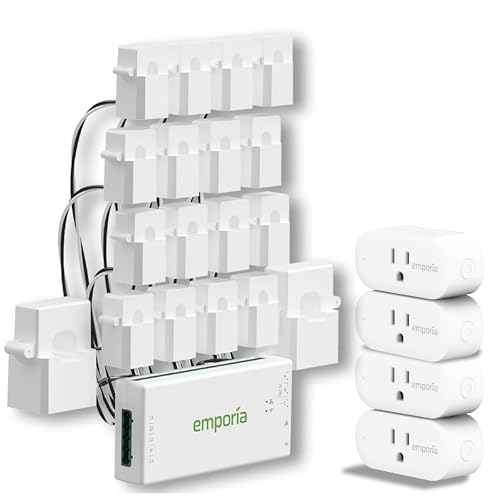
Emporia Energy Monitor with 16 Sensors + 4 Smart Plugs Super Bundle - Whole Home Electricity Usage Tracking & Real-Time Control - Supports Solar Net Metering - Works with iOS, Android, Alexa - Amazon.com
View on AmazonWhere certification is heading next
Certification programs are rapidly shifting from prescriptive checklists to measured performance and whole‑life carbon:
- Performance‑based pathways: Greater reliance on actual energy and IAQ data (e.g., LEED O+M via Arc, WELL performance testing, ENERGY STAR benchmarking).
- Whole‑life decarbonization: Embodied carbon credits are expanding; expect more stringent baselines and procurement requirements (EPDs with lower GWP, cement/steel innovation, mass timber where appropriate).
- Electrification and grid interactivity: Points for heat‑pump adoption, demand flexibility, thermal storage, and EV charging that supports managed loads.
- Health and resilience: More attention to filtration (MERV‑13+), outdoor air quality events (wildfire smoke), passive survivability during outages, and heat resilience.
- Data alignment with ESG: Better cross‑walks to reporting frameworks (GRI, SASB, ISSB/IFRS) and green finance taxonomies to streamline disclosure.
If your goal is a durable, future‑proof building that performs for people and the planet, a well‑chosen green building certification provides a verifiable roadmap—and a market signal—that you’re delivering the outcomes that matter most.
Recommended Products
Green Building Illustrated: Ching, Francis D. K.
In the tradition of the classic Building Construction Illustrated, Francis D.K. Ching and Ian M. Shapiro offer <strong>a graphical presentation to the theory, practices, and complexities of sustainabl
uHoo 9-in-1 Smart Air Quality Monitor Indoor, Smart Temperature Sensor, Smart Humidity Sensor, CO2 Monitor, and Mold Detector for Home with Free Mobile App : Industrial & Scientific
Breathe pure air: Experience clean ... home mold test, and more, uHoo <strong>provides a fully comprehensive analysis of indoor air quality meters including temperature, dust, toxins, and NO2.</strong
Emporia Energy Monitor with 16 Sensors + 4 Smart Plugs Super Bundle - Whole Home Electricity Usage Tracking & Real-Time Control - Supports Solar Net Metering - Works with iOS, Android, Alexa - Amazon.com
Comprehensive Whole-Home Monitoring: Includes the Emporia Vue Energy Monitor with 16 sensors to <strong>track usage from your main panel and up to 16 individual circuits</strong>.
More in Sustainability Policy
- How to Create a Green Building: Practical Strategies for Sustainable Design, Construction, and Operation
- Buildings That Incorporate Sustainability: Key Features, Technologies, and Impact
- Green Building Materials: Guide to Sustainable Choices & Suppliers
- Eco-Friendly Building Materials Guide: Choosing Low-Impact, Healthy Materials for Construction